Many customers ask us for a global signal. There is no such thing as a «global» trademark.
Trademark registration at the international level is not a single process, but a mosaic of dozens of different bodies, legal frameworks and conditions. Each country or regional organisation operates with its own examination system, its own deadlines and its own way of assessing distinctiveness. This means that a brand's protection strategy varies significantly depending on the market it is targeting.
In Europe there is a single organisation, the EUIPO, covering 27 Member States. In Asia, by contrast, each major country operates a completely separate system - from China and Japan to India, South Korea and Vietnam. Africa combines two large regional organisations (OAPI and ARIPO) with many countries remaining independent. In the Americas, each country has its own process, from the USPTO in the US to the national systems of Brazil, Argentina, Mexico and Canada.
This complexity is not there to make it difficult for businesses; it is there because each market protects its own business environment differently. For a brand owner, however, it means that choosing the right path to registration is often critical to the security and value of the brand.
The map we have created acts as a simple orientation guide: it shows the largest organisations, the most important markets and the key entry points to global protection. It is not a substitute for research or analytical review - but it helps to make it clear how different the processes are from region to region and why the right strategy is the most important step before any filing.
To better understand the web we have divided the signals into 3 categories
Group / Regional Systems They include organisations that offer protection in several countries through a centralised process. They are the most cost-effective options for broad geographical coverage, as they consolidate bureaucracy and reduce management costs. However, these systems do not all work in the same way, but fall into two categories:
Unified Systems (EUIPO type): With one application you get automatically protection in all member states of the union at the same time (e.g. European Union, Eurasia). It is an «all or nothing» system.
Selection systems (WIPO type): The application is centralised, but acts as a «bridge». It allows you to select specifically which countries you want to cover and pay according to your choice.
Headquarters: Geneva, Switzerland
It offers international registration through the Madrid system for dozens of countries. (Country selection system)
Headquarters: Alicante, Spain
All 27 EU countries are covered by one application.
Headquarters: The Hague, The Netherlands
Common registration for Belgium, the Netherlands and Luxembourg.
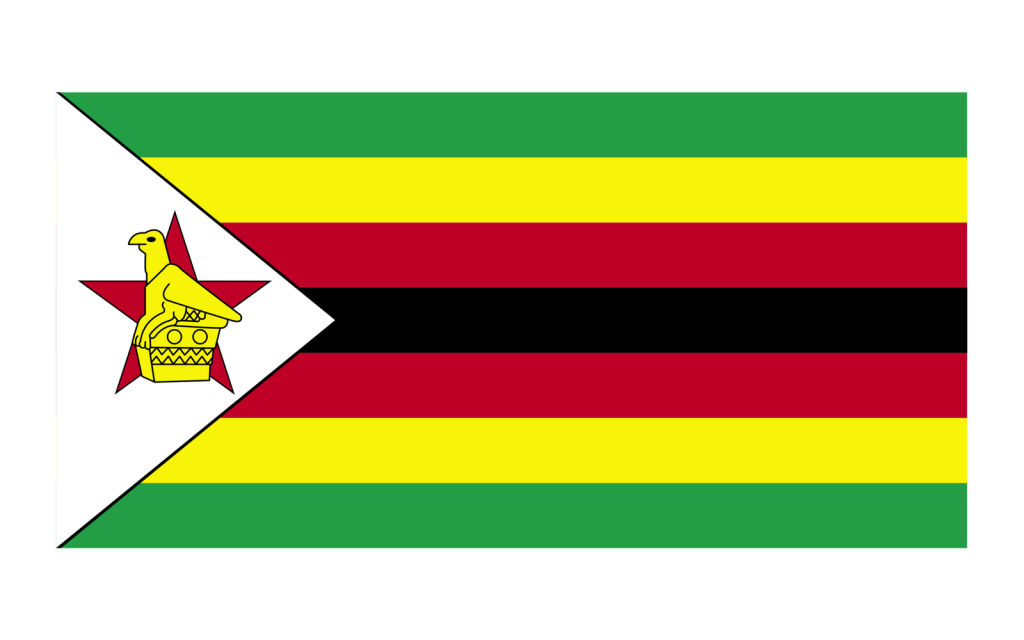
Headquarters: Harare, Zimbabwe
Regional system for 20 mainly English-speaking African countries (Country Selection System)
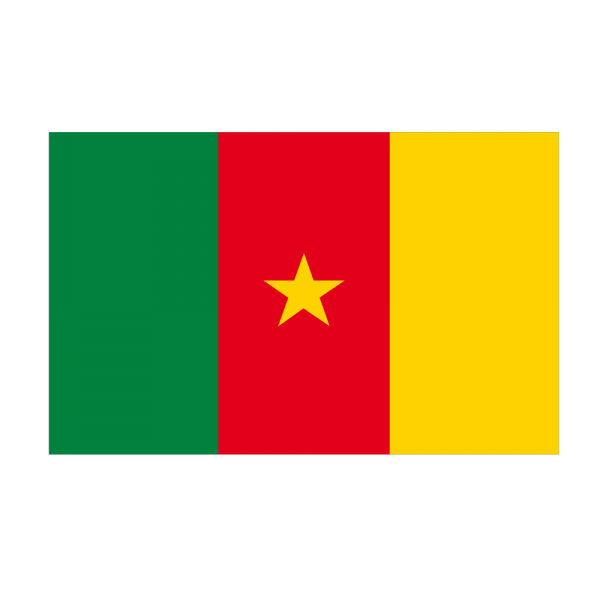
Headquarters: Yaoundé, Cameroon
Single protection for 17 mainly French-speaking African countries.
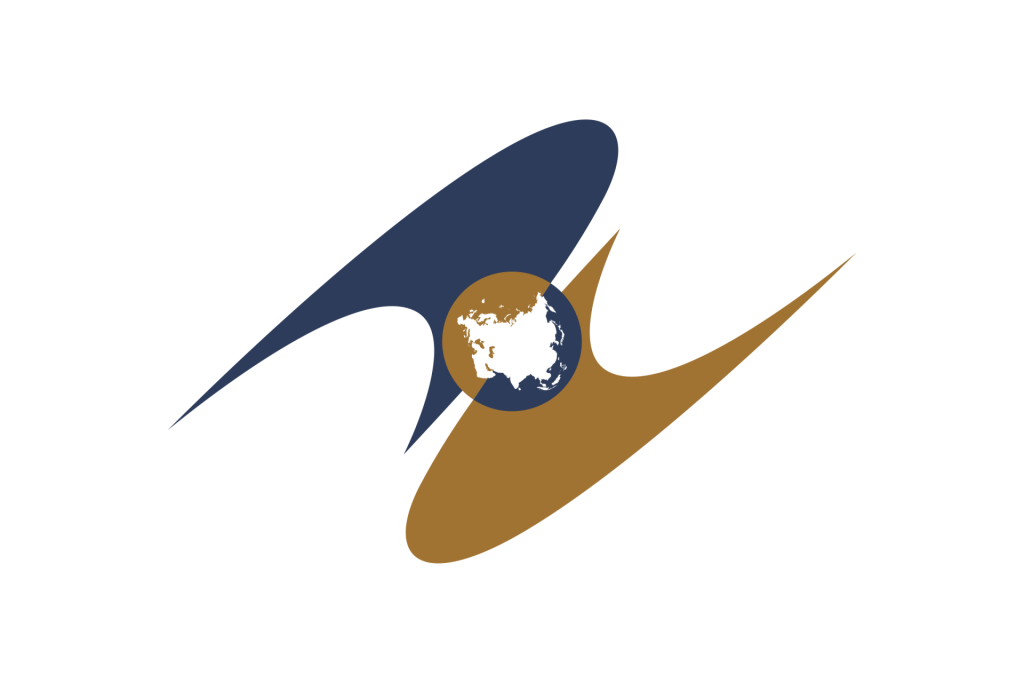
Headquarters: Moscow, Russia (Eurasian Commission)
New single system offering common protection to Russia, Belarus, Kazakhstan, Armenia and Kyrgyzstan.
These countries are particularly important because of their huge trademark volumes, strong economic activity and high registration requirements. Although they operate under national systems, they are pillars of the global market and are often a strategic priority for any international brand.
Headquarters: Washington D.C.
The largest and most competitive trademark market in the world
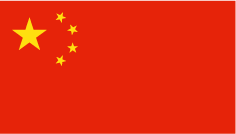
Headquarters: Beijing
The country with the largest number of applications and a key player for international brands.
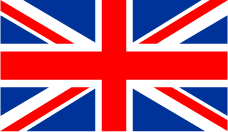
Headquarters: Newport
Independent system after Brexit, it remains one of Europe's most important markets.
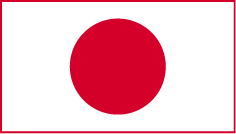
Headquarters: Tokyo
Rigorous examination system in one of the strongest high-tech economies.
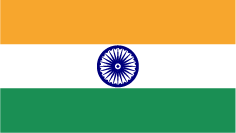
Headquarters: Mumbae
Rapidly growing market with a huge consumer base.
Headquarters:Daejeon
A key market for technology, electronics, fashion and innovation.
Headquarters: Jakarta
The largest economy in Southeast Asia and a member of the G20, with a huge domestic market.
Headquarters: rio de janeiro
The largest market in South America.
Headquarters: Gatineau
A stable economy with high intellectual property protection.
Headquarters:Canberra
A key market for the Asia-Pacific region, with a strict regulatory framework.
Headquarters: Mexico City
A critical market for North America and the 2nd strongest economy in Latin America.
Headquarters: Ankara
At the Europe-Asia border, it has one of the highest numbers of applications in the world.
These are countries that do not belong to regional organisations but have significant national offices of their own. Each country operates under its own exclusive legal framework, procedure and deadlines, which requires a different strategic approach per market. These markets are often used as an example of the complexity of the global system. Major countries that have their own national agency.
Headquarters: Buenos Aires
One of the continent's most historic and active commercial markets.
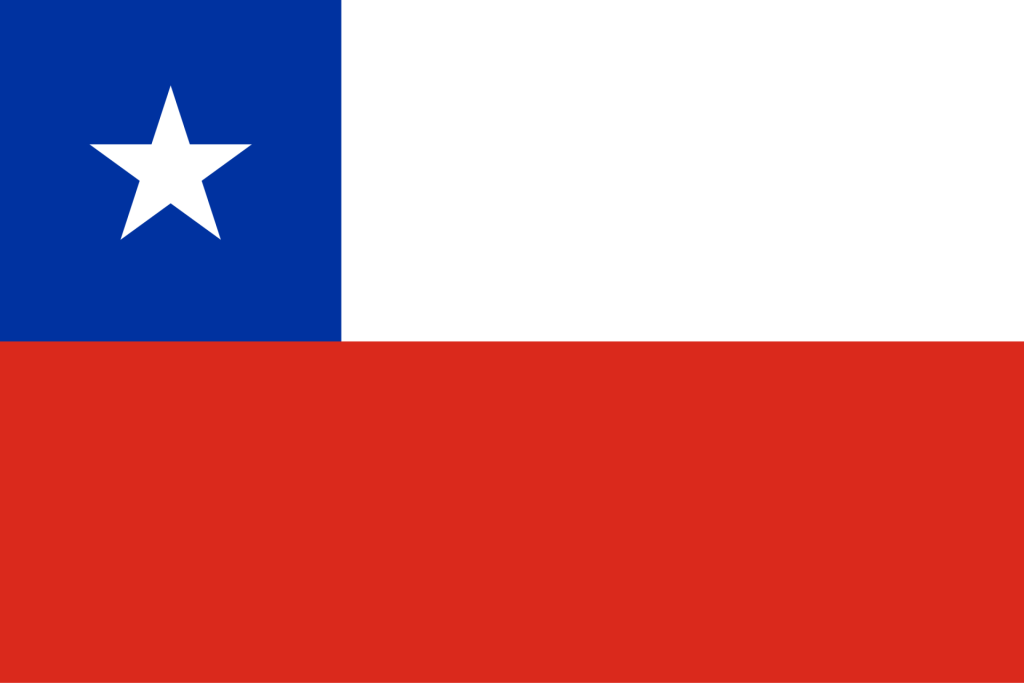
Headquarters: Santiago
Modern and fast system, one of the most reliable in Latin America.
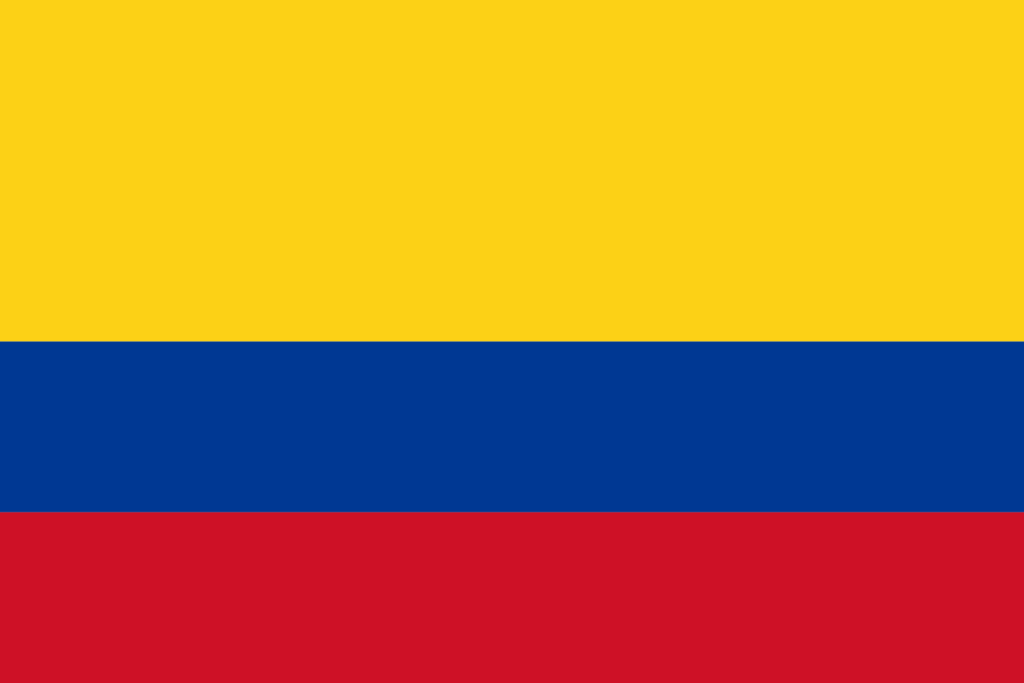
Headquarters: Bogota
The 3rd largest economy in the region with a strict regulatory framework.
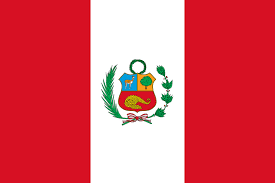
Headquarters: Lima
A growing market with a special emphasis on the protection of local products.
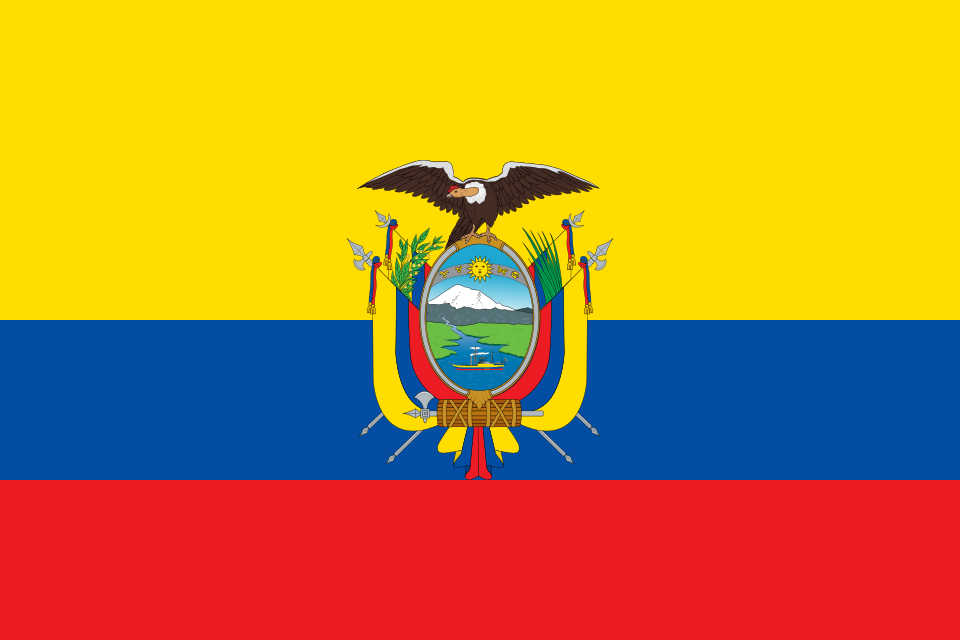
Headquarters: Quito
Important market for agricultural and manufacturing exports.
Headquarters: Montevideo
A stable economic environment and a gateway to Mercosur trade.
Headquarters: Singapore
A leading intellectual property management centre with global reach.
Headquarters: Bangkok
Huge consumer market and popular destination for international brands.
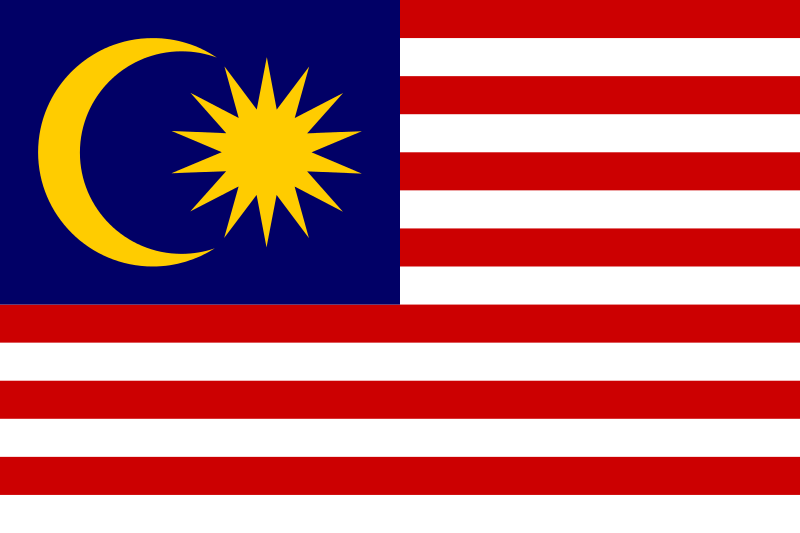
Headquarters: Kuala Lumpur
Strategic market with a strong legal system based on English law.
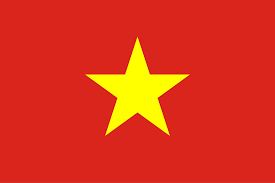
Headquarters: Hanoi
The “industrial machine” of Asia with rapid growth in signal deposits.
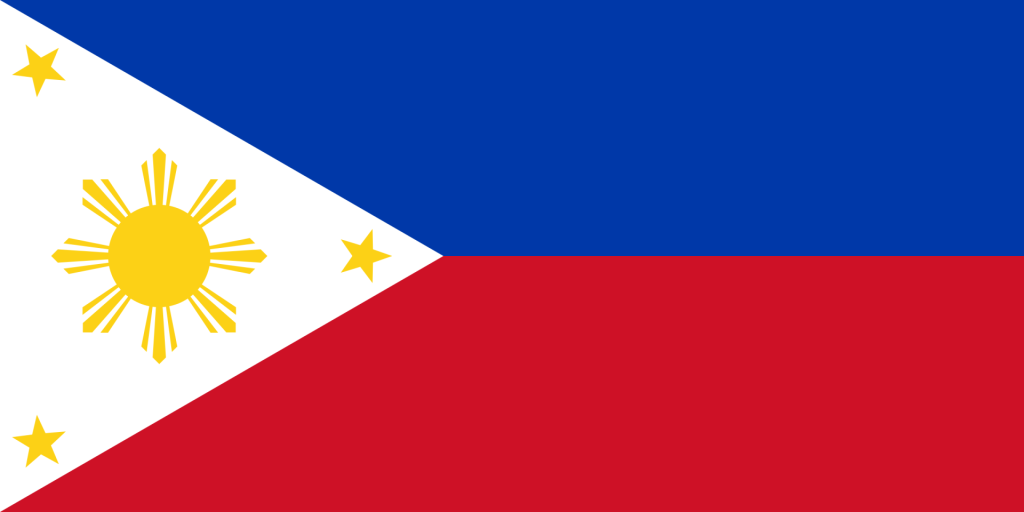
Headquarters: Manila
A market of 110+ million people, critical for consumer goods.
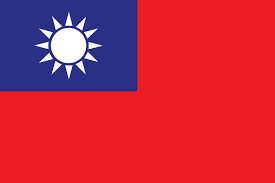
Headquarters: Taipei
Global technology leader, with a stand-alone system outside WIPO.
Headquarters: riad
The region's largest economy, essential to every business in the Gulf.
Headquarters: Abu Dhabi
The commercial and economic centre of the Middle East.
Headquarters: Jerusalem
Global leader in technology and start-up innovation.
Headquarters: Doha
High value purchase with strict examination procedures.
Headquarters: Kuwait City
Strong oil and luxury goods market with high per capita income.
Headquarters: Muscat
Stable and growing market, strategically located in the Gulf.
Headquarters: Pretoria
The continent's most developed market and gateway to all of South Africa.
Headquarters: Cario
A historic market with a huge population and a strategic position in the Mediterranean.
Headquarters: Abuja
Africa's most populous country and largest economy.
Headquarters: Casablanca
Standard office with digitized services and high commercial traffic.
Headquarters: Nairobi
The financial centre of East Africa and home to many multinationals.
Headquarters: Algiers
Large market for natural resources and energy in North Africa.
At global level they operate more than 190 national trade mark offices, together with dozens of regional and specialised agencies. The number is approaching 210-220 official authorities globally (depending on how ancillary services and dependent territories are measured).
This is why the map shows only the most important and characteristic systems; the full global list is much longer and extremely heterogeneous.