
 Ελληνικά
 English
 Español
World-famous trademarks under threat in Russia - New wave of "piracy" after economic isolation
06-12-2025
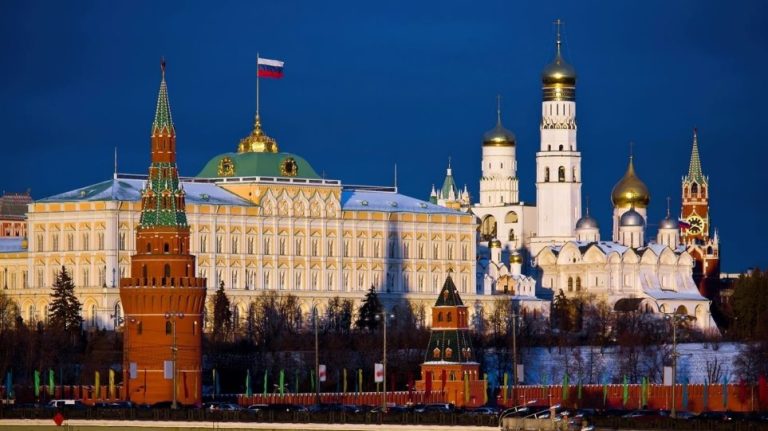
From Giorgio Armani and Calvin Klein to Amazon and Sheraton, dozens of internationally recognised trademarks are under threat in Russia, as the withdrawal of Western companies following the invasion of Ukraine has created a vacuum that trademark "pirates" are exploiting. According to an analysis by Bloomberg Businessweek, more than 300 foreign companies have faced legal challenges disputing their rights in the country since the start of 2024.
Some businesses - among them Victoria's Secret, Ericsson, Inditex and Nokia - have already lost protection of specific marks, as Russian courts upheld cancellation actions. This trend intensified in the run-up to the third anniversary of the 2022 invasion, when many Western companies withdrew but kept their marks in anticipation of a future return to one of the largest consumer markets in the world.
The legal framework that allows "piracy"
Russian law provides for the cancellation of a trademark if it is not used in the country for three years - a shorter period than the European five-year rule. Cancellation can be requested by any third party who files an application and pays fees that do not exceed 1,500 dollars. In practice, this means that companies forced to withdraw due to sanctions now risk permanently losing their brand in the Russian market.
As lawyer Robin Webster explains, companies that want to return at some point may find that their name has already been registered by third parties, making re-entry almost impossible.
A sign of a deeper distancing from the West
The matter concerns not only trademarks but also signals Russia's growing separation from its traditional economic relationships. The Kremlin has already nationalised assets of foreign companies, imposed mandatory sales at low prices and declared that their return will be permitted only if it serves national purposes. In this new environment, the protection of brands is considered increasingly precarious.
Companies such as Giorgio Armani state that they remain active in defending their portfolio, while representatives of Michelin point out that the actions come mainly from competitors seeking to exploit the recognisability of their marks. Although they are not considering an immediate return to Russia, they are closely monitoring every procedure in order to prevent the loss of their identity.
A "last line of defence"
The only practical way out for foreign companies is the timely renewal of their marks before they expire. The Russian patent office Rospatent recorded more than 15,500 applications in 2024, a higher number than in any year of the previous five-year period, as companies such as Intel and Microsoft rush to shield whatever they can of their portfolio.
The picture demonstrates that the "war of the marks" in Russia is now an integral part of the country's broader geopolitical and economic distancing from the West.