
 Ελληνικά
 English
 Español
Trademark: Asset or source of risk?
15-02-2026
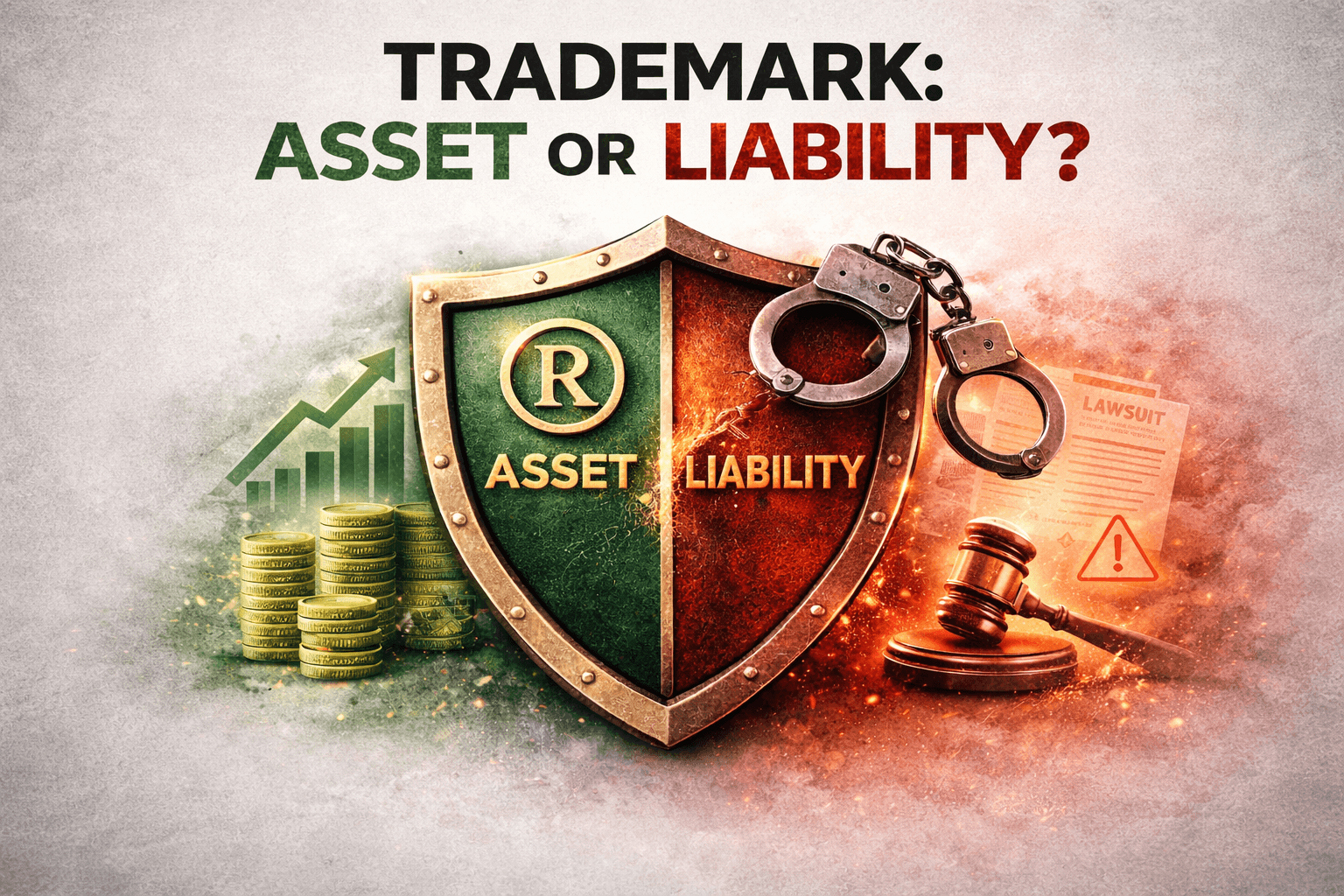
In the business world, the perception has prevailed that registering a mark is purely a positive step: protection, prestige, commercial value, investment security. All of this is true. But it is not the whole picture.
A trademark, from the moment it is filed, is not simply a legal shield. It is also a public declaration of presence. And this declaration creates obligations, risks and potential liabilities.
First of all, filing a mark is the most official form of announcing that you use - or intend to use - a specific name in the market. It is published, becomes visible and you essentially say: "I am here and operating with this brand."
This means that, even if proper and detailed research has preceded it, it is not out of the question that there will be a reaction from a third party who believes they have prior rights. Research significantly reduces the risk, but it does not eliminate it. Someone may appear with earlier use, with a national mark, with an unregistered distinctive sign or with rights in another territory that are being extended. The registration procedure can then turn into a litigation procedure.
In other words, the trademark "exposes" you legally. It puts you on the radar.
Second, the mark creates an obligation of genuine use. If it is not used substantively for a specific period of time, its cancellation can be requested. It is not enough to register it; you must support it commercially.
Third, it requires ongoing management. Monitoring for any similar filings, oppositions, objections, renewals. If you do not protect it, it weakens. If you protect it, you invest time and money.
Fourth, it can strategically limit the business. A brand that has been registered in specific classes or in a specific form may need new legal coverage when the business expands. If there is no provision for this, the cost and complexity increase.
Fifth, the stronger a mark becomes, the greater the damage from a mistake. A brand with legal protection and recognisability carries reputation. If the reputation is harmed, the loss is not merely a matter of communication; it is also legally and commercially measurable.
Does this mean that we should not register marks? No. But it does mean that registration is not simply a routine procedure. It is a strategic decision.
The trademark is an asset when there is serious research, a clear strategy, an intention of long-term use and a willingness to support it legally and commercially.
It becomes a liability when it is filed carelessly, without a full picture of the market, without a usage plan or without provision for the possibility of conflict.
In essence, the mark is not simply a right. It is a responsibility that you take on publicly towards the market. And the more seriously you treat it from the start, the more it works in your favour - and not against you.
Does this change the need/importance of registration
No. It does not reduce the importance of registration - it makes it a more mature decision.
The fact that a trademark can also function as a liability does not mean that it should not be registered. It means that it should not be treated carelessly.
In reality, the opposite is true:
If you do not register,
- You do not have an exclusive right.
- You cannot prohibit third parties from using it.
- You are exposed to the possibility that someone else registers the same or a similar name first.
- In the event of a conflict, your position is much weaker.
If you register,
- You create a legal title.
- You shield your investment in marketing and recognisability.
- You increase the value of the business (especially in an investment or acquisition scenario).
- You show seriousness and an intention of continuity.
The "liability" does not concern the act of registration itself. It concerns the lack of strategy around it.
Registration without research is a risk.
Registration without a usage plan is inertia.
Registration without monitoring is a weakness.
But not registering, especially when you invest in a brand, is a structural business gap.
In essence, the trademark is neither good nor bad in itself. It is a tool. If you handle it correctly, it functions as a powerful asset. If you treat it superficially, it can develop into a problem.
So the discussion is not "to register or not".
The right question is:
Am I ready to seriously manage what I am about to register?